
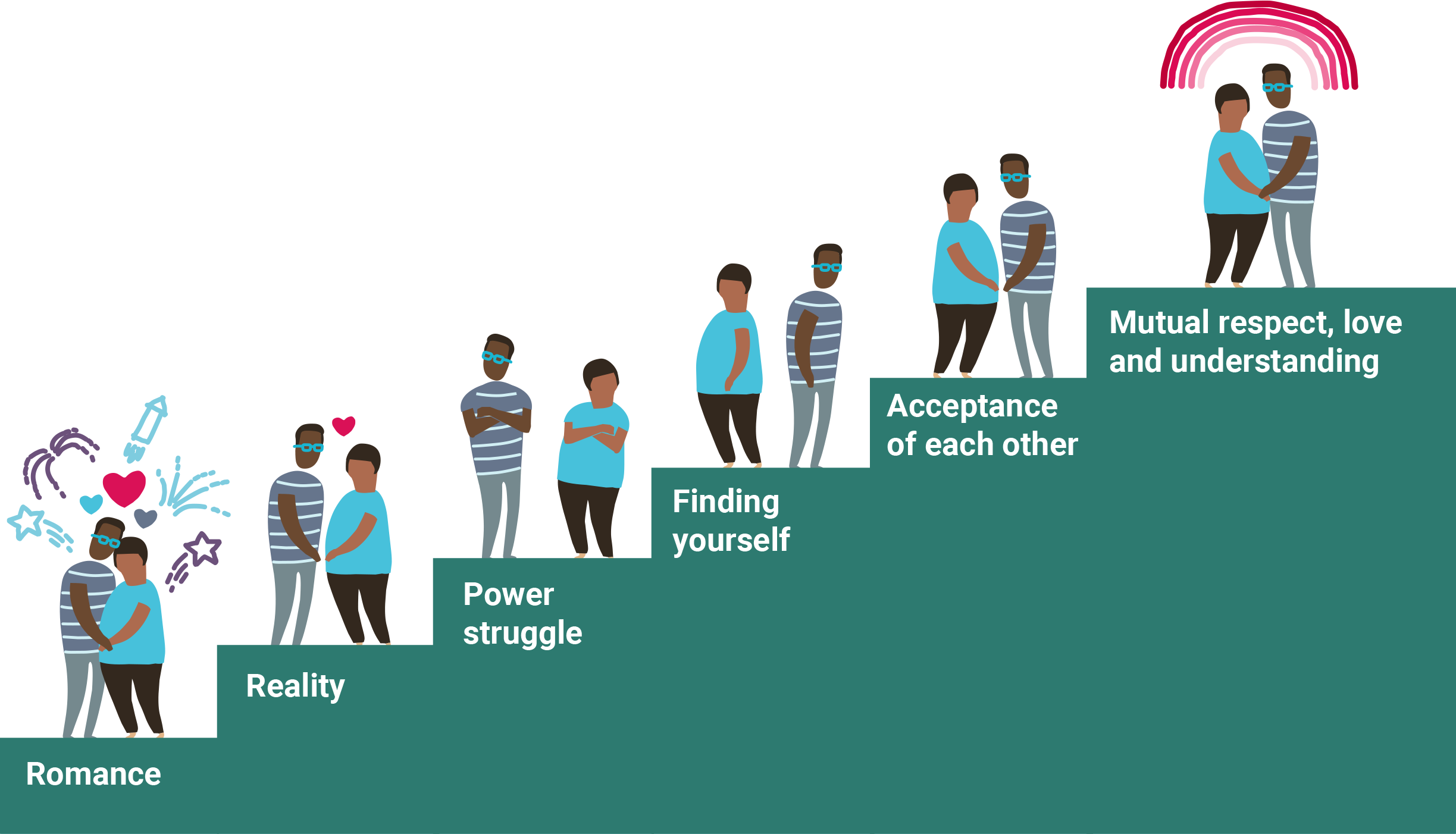
Navigating the different stages of a relationship requires understanding, patience, and adaptability. Each phase brings unique challenges and joys. Here’s essential advice for managing each stage successfully, from initial attraction to a long-term commitment.
1. Initial Attraction and Dating Phase
During this stage, you’re getting to know each other and exploring potential compatibility.
- Be Yourself: Authenticity is crucial. Present your true self to avoid misunderstandings later on. Authentic connections are based on honesty and openness.
- Communicate Openly: Discuss your interests, values, and goals early. Clear communication sets a healthy foundation and helps both parties understand expectations.
- Take It Slow: Allow the relationship to develop naturally without rushing into serious commitments. Enjoy the process of discovery and getting to know each other.
- Stay Open-Minded: Remain open to learning about your partner’s perspectives and experiences. This openness fosters mutual respect and understanding.
2. Building the Connection
Here, emotional bonds deepen, and you start envisioning a future together.
- Invest Time and Energy: Prioritize time together to strengthen your connection. Shared activities and experiences deepen intimacy and reinforce your bond.
- Resolve Conflicts Gently: Address disagreements calmly and constructively. Practice active listening and empathy, focusing on finding solutions rather than winning arguments.
- Share Responsibilities: Start discussing and sharing responsibilities, whether small things like planning dates or larger issues like financial planning. This fosters teamwork and equality.
- Build Trust: Trust develops through consistent actions and reliability. Be dependable and transparent to reinforce trustworthiness.
3. Deepening Commitment
This phase involves exploring the potential for a long-term partnership or marriage.
- Discuss Future Goals: Have in-depth conversations about future aspirations, such as career objectives, family planning, and lifestyle preferences. Alignment in goals is crucial for long-term happiness.
- Reinforce Individuality: While you grow closer, maintain your individuality and personal interests. A healthy relationship supports both partners’ growth and independence.
- Balance Togetherness and Space: Find the right balance between spending quality time together and giving each other space to pursue individual passions.
- Celebrate Milestones: Acknowledge and celebrate relationship milestones, big or small. These celebrations reinforce commitment and shared joy.
4. Navigating Challenges
Long-term relationships encounter challenges and require adaptation and resilience.
- Communicate Needs and Concerns: Regularly discuss both partners’ needs and address concerns proactively. Open dialogue fosters understanding and problem-solving.
- Seek Compromise: Be willing to compromise and find solutions that work for both parties. Flexibility and adaptability are essential for overcoming obstacles.
- Support Each Other: Offer emotional support and encouragement during tough times. Being each other’s confidant and cheerleader strengthens the partnership.
- Keep the Spark Alive: Continuously invest in the relationship by trying new activities, planning surprise dates, or exploring shared hobbies.
5. Long-Term Commitment or Marriage
A long-term commitment requires ongoing effort and dedication to maintain a thriving relationship.
- Maintain Open Communication: Keep lines of communication open and honest. Regularly check in with each other to ensure alignment and mutual satisfaction.
- Prioritize Intimacy: Foster emotional and physical intimacy regularly. Small gestures of affection and closeness nurture the bond.
- Grow Together: Encourage each other’s personal and mutual growth. Support each other’s ambitions, dreams, and self-discovery journeys.
- Resolve Conflicts Respectfully: Develop healthy conflict-resolution skills. Respectful disagreements and patience are key to overcoming disagreements without damaging the relationship.
- Plan for the Future: Regularly discuss and plan for future goals and aspirations. This shared vision strengthens commitment and provides direction.
Conclusion
Successful navigation through the stages of a relationship demands flexibility, communication, and mutual respect. By approaching each phase with openness and commitment, couples can build a strong foundation for lasting love and happiness. Remember, each stage offers opportunities for growth, learning, and deepening your bond with your partner. Embrace each phase with curiosity and compassion, and you’ll build a relationship that endures and thrives.





Leave a Reply